
PureTIP One
Automated plasma cleaning that enables high-throughput pipette tip reuse
Discover The Next Step In Plastic Labware Reuse
High-throughput labs invest in automation to remove bottlenecks, reduce variability, and scale reliably. Tip consumption is one of the last remaining linear systems inside a highly automated environment.
With fully automated cleaning up to 70 racks/hour, PureTIP One fits where it belongs: as infrastructure that keeps your lab moving.
If the modern lab is defined by closed-loop workflows, tip reuse isn’t a nice-to-have. It’s the next logical step.
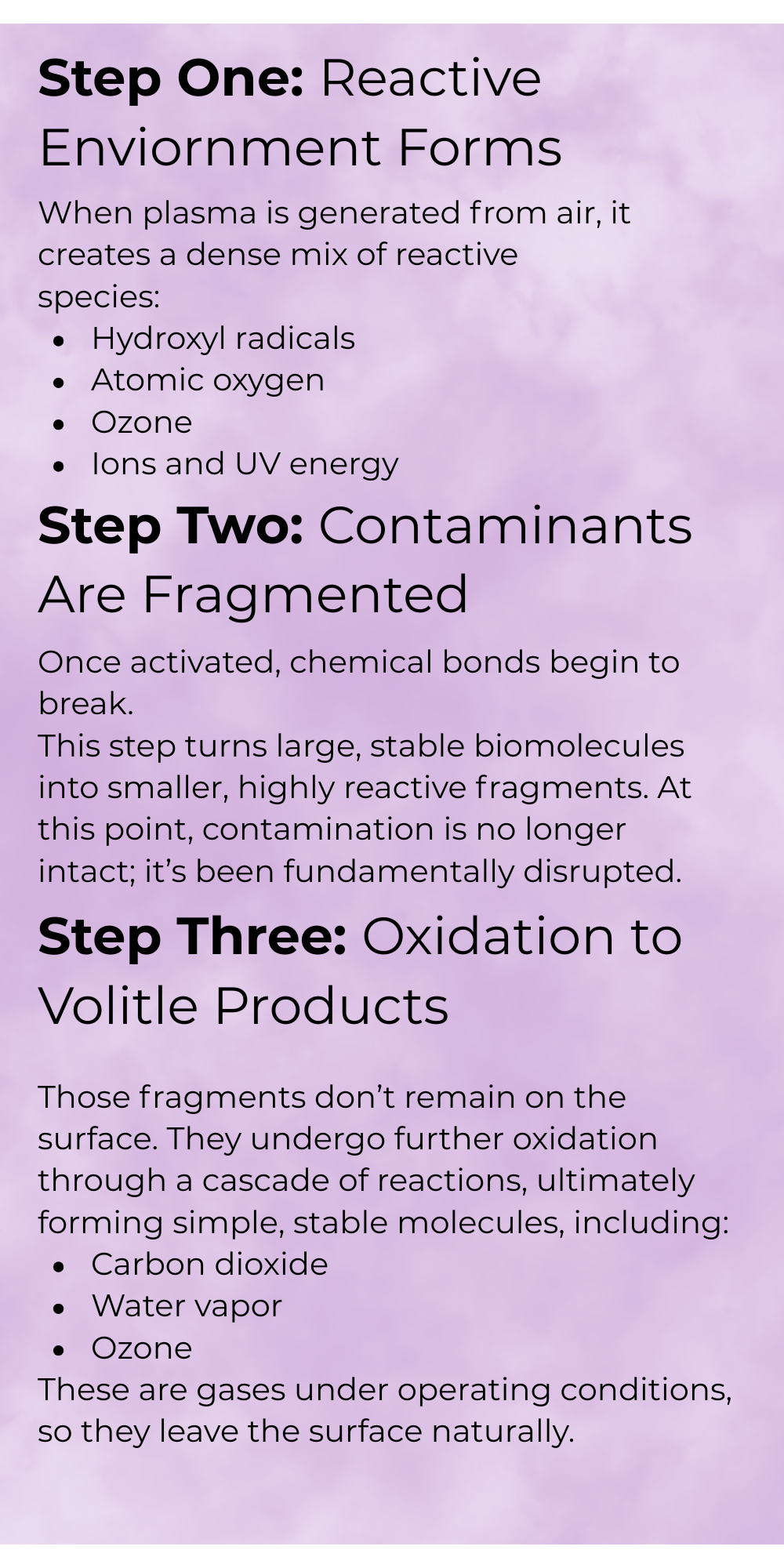

How Does Plasma Cleaning Work?
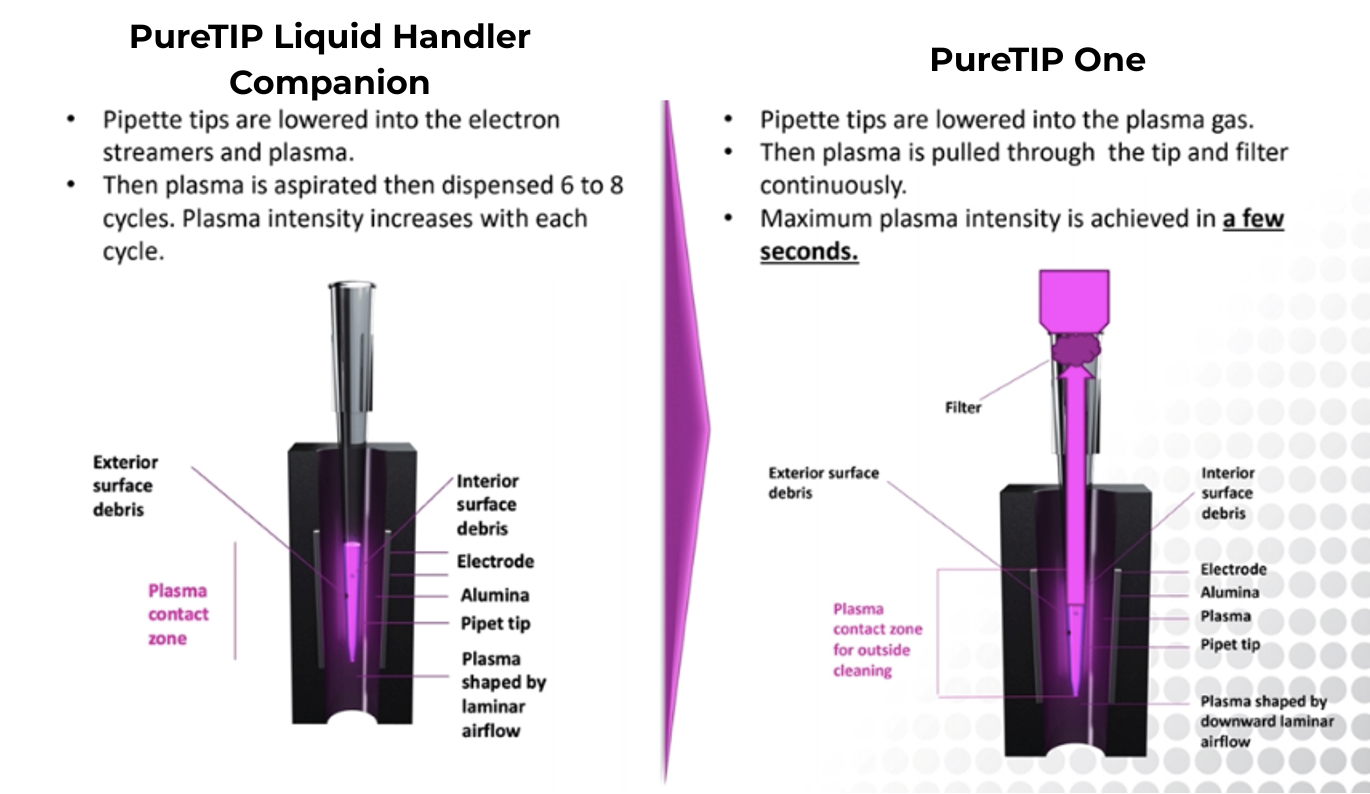
Automation
Proven Effective
Proven to Effectively Remove:
-
DNA, RNA, siRNA, mRNA – to PCR Clean
-
Macromolecules – Proteins, carbohydrates, etc.
-
Complexes of macromolecules, eg. Immunoglobins
-
Low molecular weight compounds in DMSO
-
Cells, viruses, and sub-viral particles
Why PureTIP One?
With fully automated cleaning up to 70 racks/hour, PureTIP One fits where it belongs: as infrastructure that keeps your lab moving.
Read Our Latest Blogs!
A Better Surface for Better Cell Culture
A Better Surface for Better Cell CultureCell culture performance depends on more than media, growth factors, and incubation conditions. The surface beneath the cells matters too. Most cell culture microplates are made from polymers such as polystyrene. These materials...
Beyond Washing: The Science of Plasma Cleaning
Beyond Washing: The Science of Plasma CleaningFire is one of nature's most effective cleaning processes. Given enough heat and oxygen, it breaks organic material down into simpler compounds. Of course, putting plastic pipette tips or microplates into a flame would...
What the COVID Pipette Tip Shortage Taught Labs
What the COVID Pipette Tip Shortage Taught LabsDuring the COVID-19 pandemic, pipette tips became an unexpected symbol of supply-chain fragility. The shortage was easy to underestimate. A pipette tip is small, inexpensive, and normally treated as an endlessly available...